Early access games: what to know before you dive in
Early access lets you play a game while it is still being developed. Here is how the model works and how to decide whether it suits you.
What early access actually means
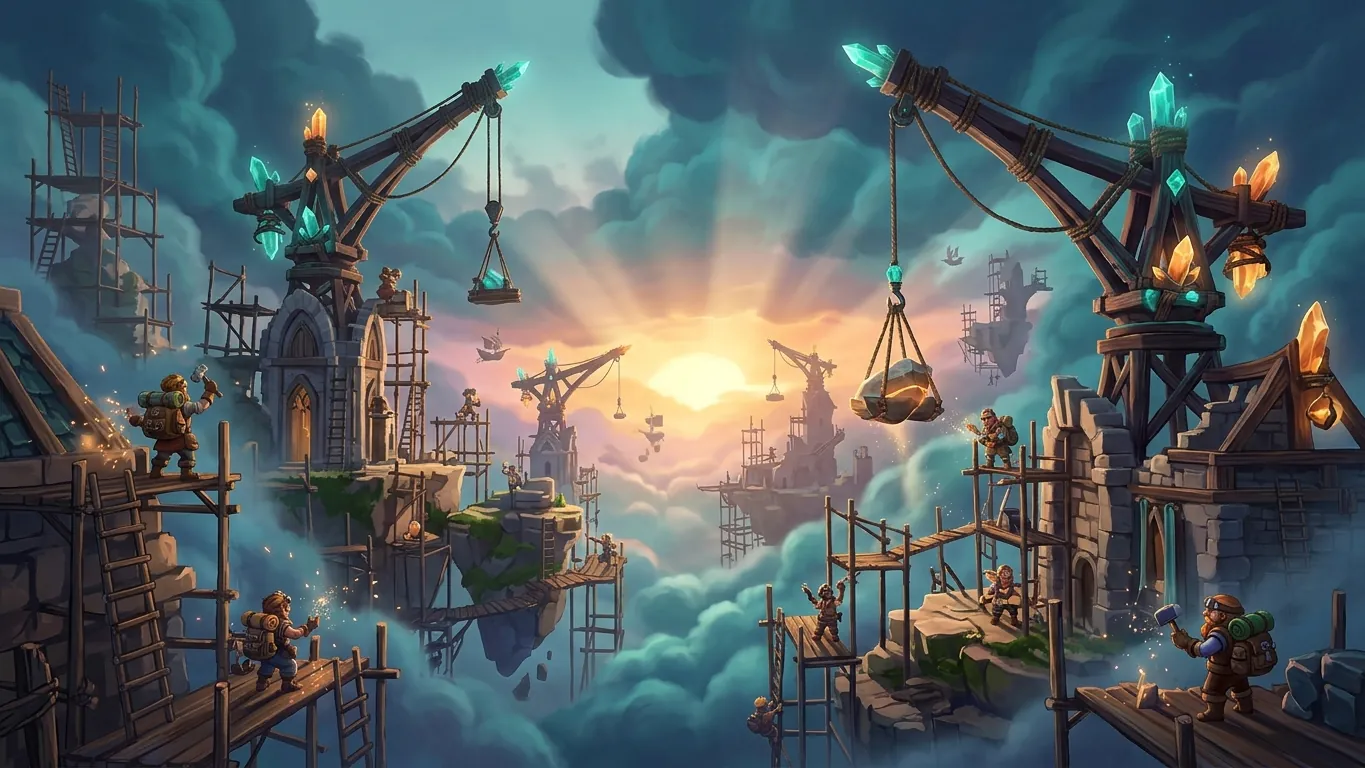
Early access is a release model in which a game is made available to players before it is considered finished. You can buy and play it, but content, features, balance and performance may still change, sometimes significantly. The idea is that players get to experience the game early while developers gather feedback and, often, funding to continue work.
The model has become common on PC, especially among smaller studios. Some games spend a short time in early access and leave it largely as they entered it, while others evolve dramatically over a long period. Knowing that the experience is a work in progress is the most important thing to keep in mind.
The appeal for players
Joining a game in early access can be genuinely exciting. You get to watch a world grow over time, see new areas, mechanics and systems appear, and sometimes influence the direction of development through feedback. Many players enjoy the sense of community that forms around an early access game, with discussions about updates and shared discoveries.
For genres that rely on systems rather than a fixed story, such as survival, colony management or roguelike games, early access can work particularly well. These games often feel complete enough to enjoy for many hours even while new content is still being added.
The risks to consider
Because early access games are unfinished, they can contain bugs, missing features and performance problems. Save files may become incompatible after major updates. Progression systems can be rebalanced in ways you may not like. And while many projects reach a full release, there is no assurance that every game will be completed as originally described.
The best approach is to judge an early access game by what it offers today, not by what it might become. If the current version would satisfy you even if development stopped, the risk is much smaller.
Questions to ask before you buy
A few minutes of research can help you make a decision you feel good about.
- 01
Read the developer's plans
Most early access pages describe what is currently included and what is planned. Look for clear, realistic language.
- 02
Check the update history
A record of regular, meaningful updates suggests active development.
- 03
Watch current footage
Recent gameplay videos show the game as it is now, rather than as early marketing presented it.
- 04
Read recent player impressions
Focus on recent comments, since older ones may describe a very different version.
Being a constructive early access player
If you do join, you can help the game grow by reporting bugs clearly and sharing thoughtful feedback through the channels the developers provide. Describe what happened, what you expected, and how to reproduce the issue if you can. Constructive feedback is far more useful than general frustration.
It is also perfectly reasonable to play for a while, step away, and come back months later to see what has changed. Many players enjoy early access games most this way, returning for major updates rather than following every small change.
Related articles
 Why independent games still matter on PC
An opinion piece on why independent games remain essential to PC gaming in 2026, and how curious players can discover inventive smaller projects.
Read more
 Building a comfortable PC gaming setup
Practical tips for arranging a comfortable PC gaming space: monitor placement, seating, lighting, audio and breaks, with a reminder to seek expert advice.
Read more
Keeping your PC ready for new releases
A practical guide to preparing your gaming PC for new releases in 2026: drivers, storage, cleaning, background apps and sensible troubleshooting.
Read more