Try demos during festivals
Digital stores and online events often feature demos of upcoming independent games.
Small studios keep the PC library surprising. This opinion piece explores what independent games bring to the platform and how to find them.
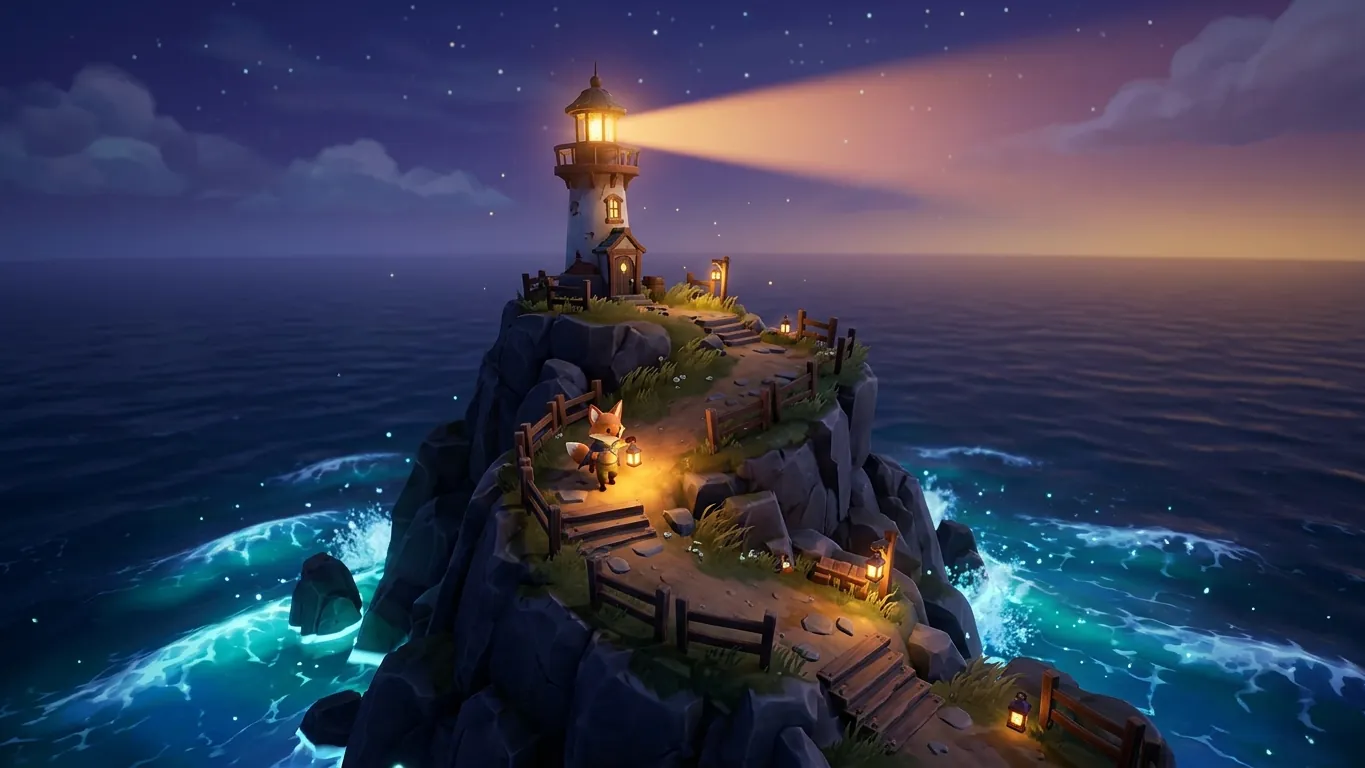
For a long time, the PC has been the platform where unusual ideas find an audience. Developers can release games without the long approval processes that other platforms sometimes require, and players are used to trying things that do not fit neatly into established categories. This openness has made the PC a natural home for independent studios.
In our view, that is one of the most valuable things about playing on PC in 2026. Alongside large, polished productions, you can find games made by small teams or even individuals that take risks larger projects rarely can. Some of them are odd, some are rough around the edges, and some turn out to be among the most memorable experiences you will have all year.
Independent games often focus tightly on a single idea and explore it thoroughly. A puzzle game might build its entire design around one clever mechanic. A narrative game might tell an intimate story about a specific place or feeling. Because smaller teams are not trying to appeal to everyone, their games can be personal, specific and distinctive.
They also tend to experiment with art direction. Without the resources to chase realism, many independent developers choose bold, stylized looks: hand-drawn illustration, pixel art, unusual color palettes or minimalist geometry. These choices often age gracefully and run well on modest hardware, which makes independent games especially welcoming to players without high-end computers.
Many independent games are relatively short, and we think that is a strength. A game you can finish in a few evenings respects your time and can leave a sharper impression than a sprawling one you abandon halfway. Short games are also ideal for players managing a busy schedule or a large backlog.
That is not to say every independent game is small. Some grow into enormous, systems-rich experiences over years of development, particularly in genres like simulation, strategy and survival. The common thread is not size but a willingness to try something specific.
Finding smaller games takes a little more effort, but it is part of the fun.
Digital stores and online events often feature demos of upcoming independent games.
Writers and video creators with tastes similar to yours can point you toward hidden gems.
Browse store categories you rarely visit and see what catches your eye.
Many independent developers enthusiastically share games from their peers.
If an independent game moves you, sharing a thoughtful recommendation or writing a fair review on the store where you bought it can make a real difference to its visibility. Small studios depend heavily on word of mouth.
Ultimately, independent games keep the PC library varied and alive. Making room for a few of them alongside larger releases is, we believe, one of the most rewarding habits a PC player can build.
 Building a comfortable PC gaming setup
Practical tips for arranging a comfortable PC gaming space: monitor placement, seating, lighting, audio and breaks, with a reminder to seek expert advice.
Read more
Keeping your PC ready for new releases
A practical guide to preparing your gaming PC for new releases in 2026: drivers, storage, cleaning, background apps and sensible troubleshooting.
Read more
 How to plan your PC gaming backlog in 2026
A calm, practical guide to organizing your PC game library in 2026, choosing what to play next and enjoying your games without feeling overwhelmed.
Read more